Coating Technologies
The coating materials we offer are used in the welding processes discussed below.
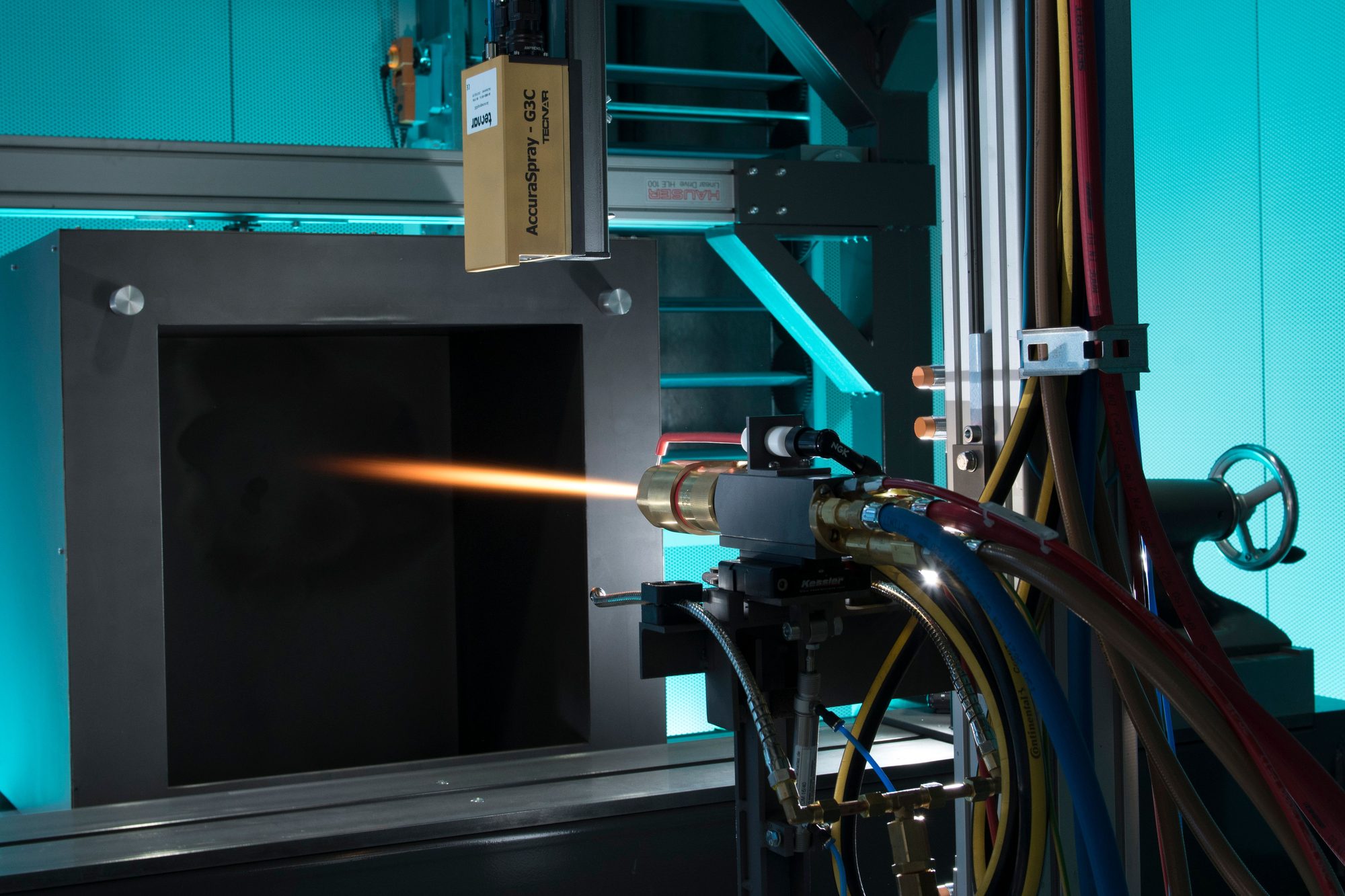
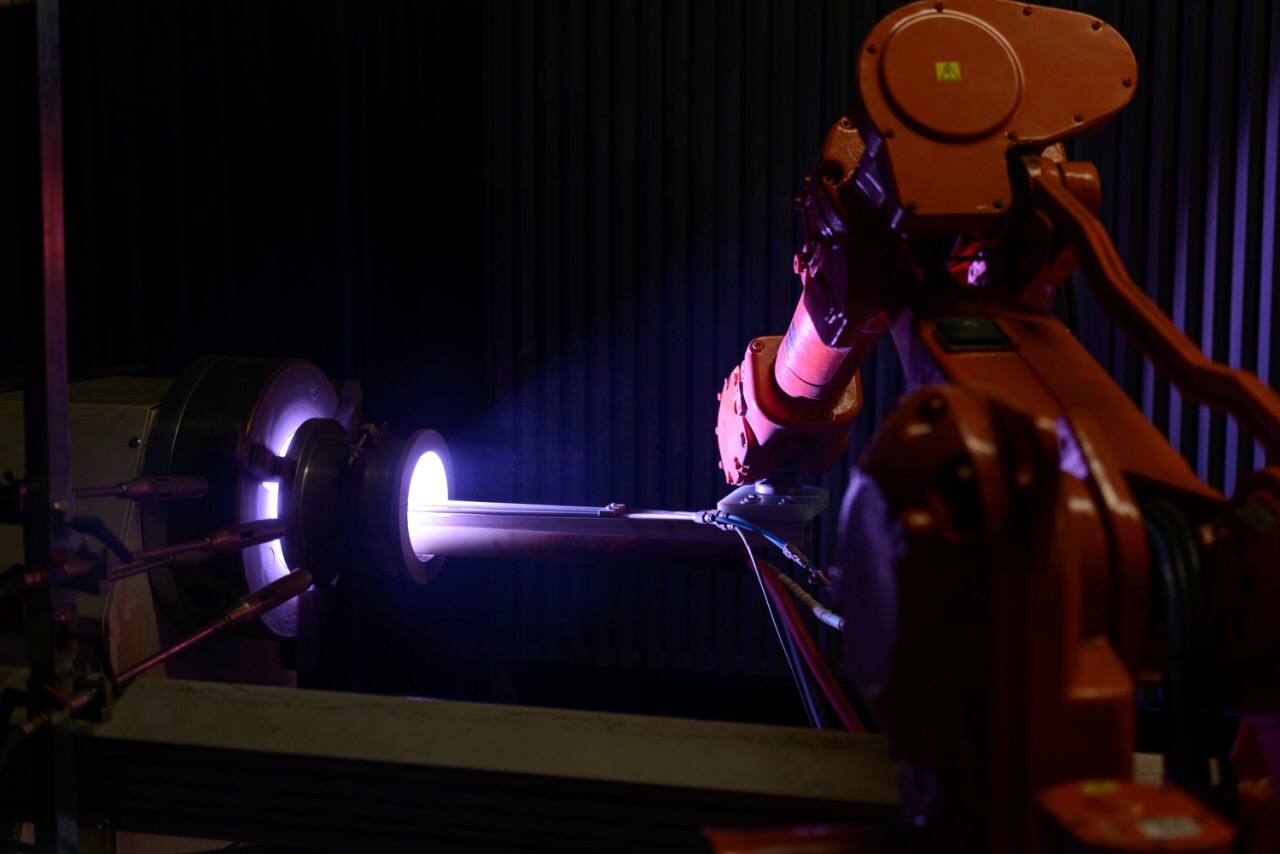
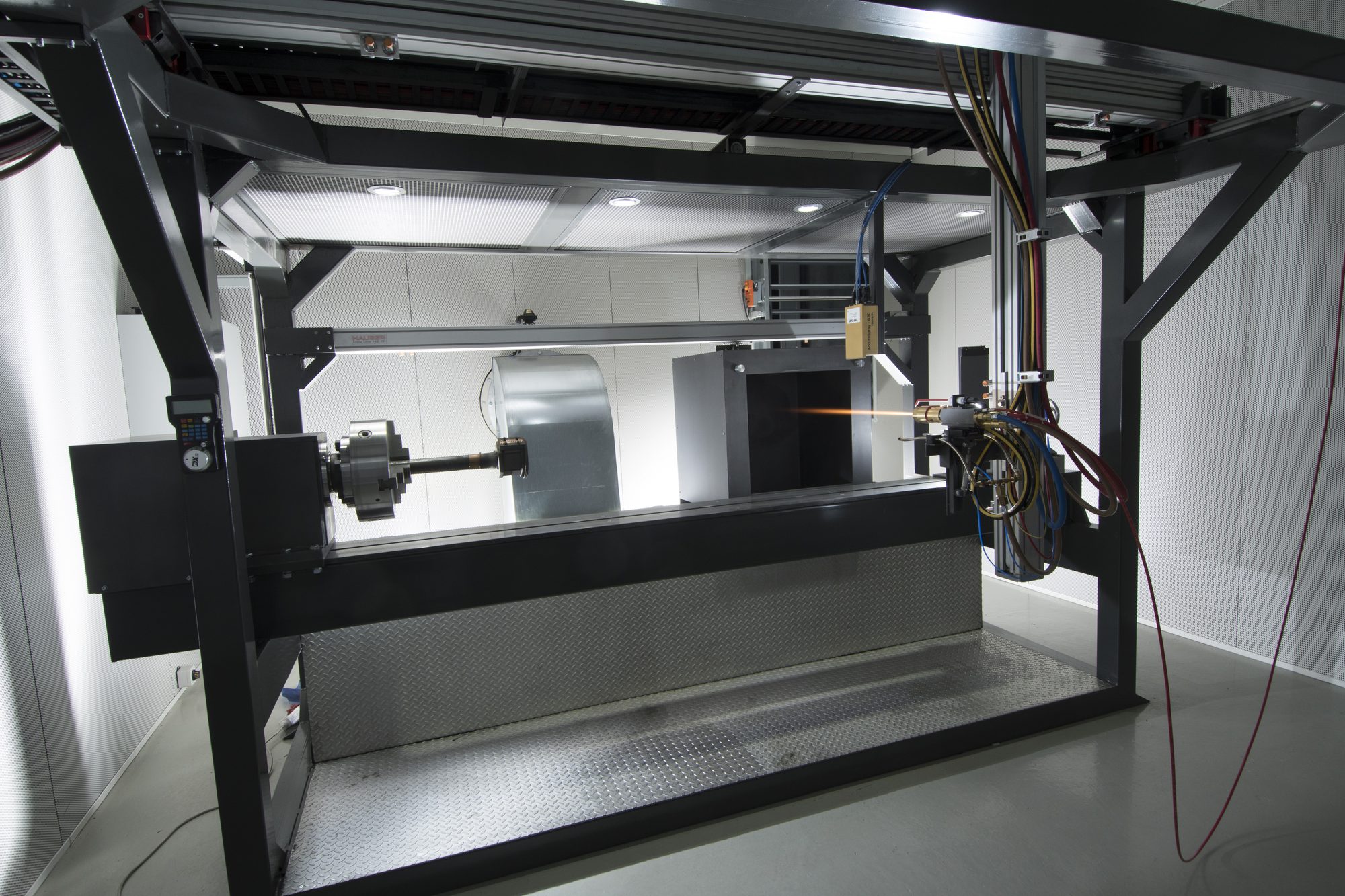

Hardfacing
HARDFACING is a welding process that involves the metallurgical bonding of a filler material with the substrate in the form of a weld overlay.
| Method | Heat source | Typical coating materials | Characteristics | Application examples |
|---|---|---|---|---|
| PTA PLASMA HARDFACING | plasma arc — a stream of highly ionized gas | POWDERS: cobalt-based alloys, nickel-based alloys, iron-based alloys, copper alloys, alloys containing hard carbides | minimal dilution of filler material with substrate material high process efficiency consistent hardness | cutting tools, cutting edges of earthmoving tools, valves, engines, mill roll journals, hydraulic parts, rolls |
| LASER HARDFACING | a concentrated beam of coherent light | WIRES / POWDERS: iron-based alloys, nickel-based alloys, cobalt-based alloys, copper alloys, alloys containing hard carbides, bearing alloys | minimal dilution of filler material with substrate material minor distortion of the base material (narrow heat-affected zone) possible small overlay thickness (~0.5 mm) ability to achieve fine-grained structures | welding of components that are not traditionally weldable to each other, e.g. thermocouples, stainless steel elements, turbine parts, injection molds |
Thermal Spraying
THERMAL SPRAYING covers specialized welding techniques, which include: arc spraying, plasma spraying, flame spraying, and HVOF supersonic spraying. The choice of spraying method and coating material depends on factors such as the component's operating conditions, its size, and the required hardness.
These methods are used to refurbish worn components and improve the surface properties of new ones.
Thermal spraying increases surface hardness and improves abrasion resistance, which directly translates into greater durability; it increases corrosion resistance, protects the surface against high temperatures, oxidation, and hot gases, and increases electrical resistance (dielectric ceramic layers). The main advantage of spraying over hardfacing is the absence of thermal distortion of the substrate materials.
| Method | Heat source | Typical coating materials | Characteristics |
|---|---|---|---|
| ARC SPRAYING | an electric arc burning between two wires that also serve as the coating material | WIRES: nickel alloys, bearing alloys, iron-based alloys, copper alloys, aluminum, zinc | the process requires only the simplest working conditions ability to process large and complex areas (structures) process economy |
| APS PLASMA SPRAYING | a plasma arc burning between an anode and a tungsten cathode, forming a stream of highly ionized gas | POWDERS: carbides, cermets | ability to spray a wide range of materials, on both small and large components |
| FLAME SPRAYING | an oxy-acetylene flame | WIRES / POWDERS: nickel-based alloys (self-fluxing type), copper- and tin-based bearing alloys, iron-based alloys, polymer coatings | coatings are characterized by good adhesion to the substrate, a low level of inclusions in the coating, and a dense structure ability to hardface complex shapes, even in hard-to-reach places |
| HVOF SUPERSONIC SPRAYING | a mixture of oxygen and aviation fuel combusted in the gun's combustion chamber | POWDERS: iron-based materials, carbides in a cobalt/chromium matrix, cermets | the coating is characterized by minimal porosity, a dense uniform structure, even particle distribution, and high adhesion to the substrate, often exceeding 80 MPa |
SULIQ.PL